
Exhibits and Collections
Discover the history and curiosities of Othello.
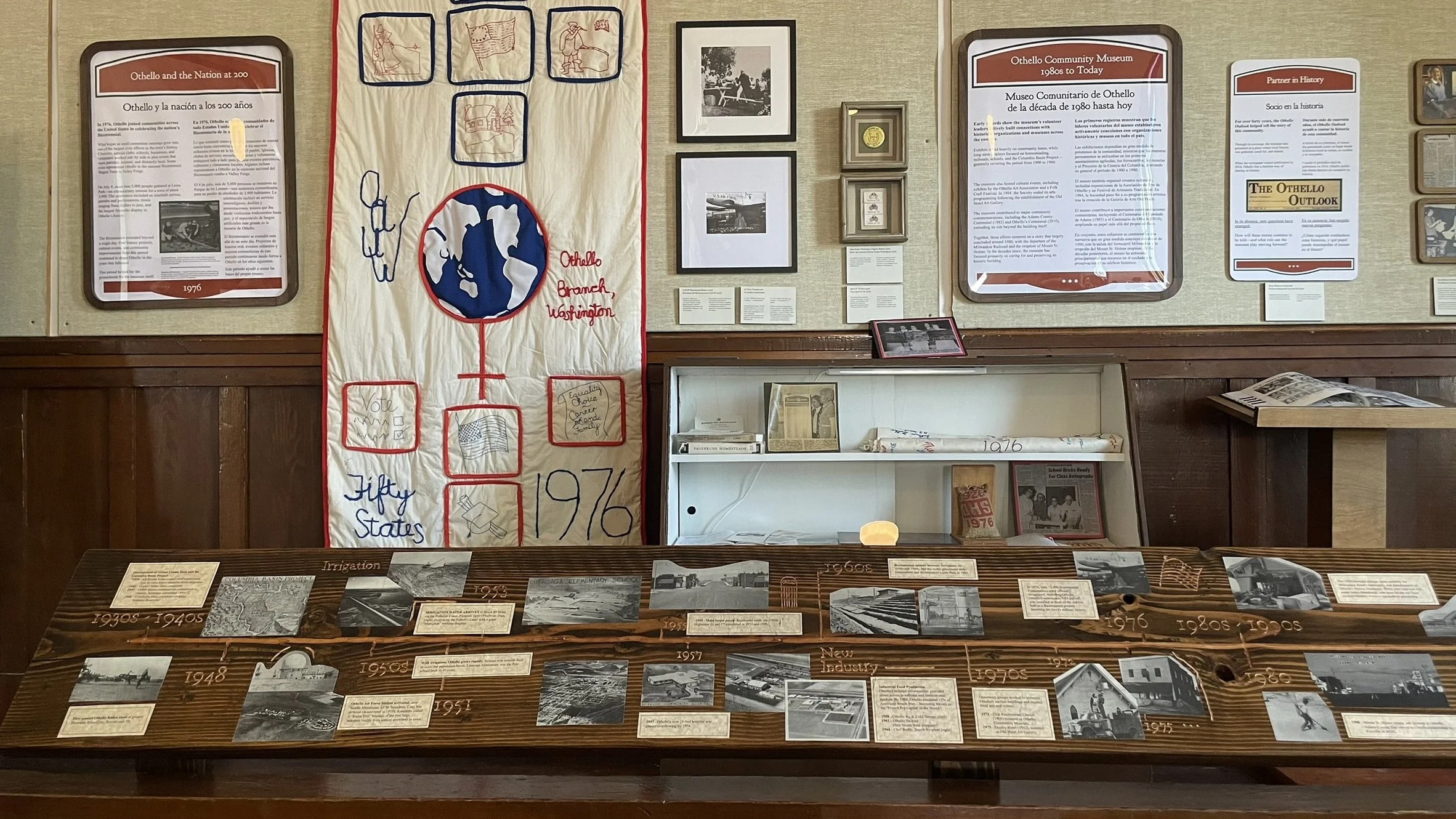
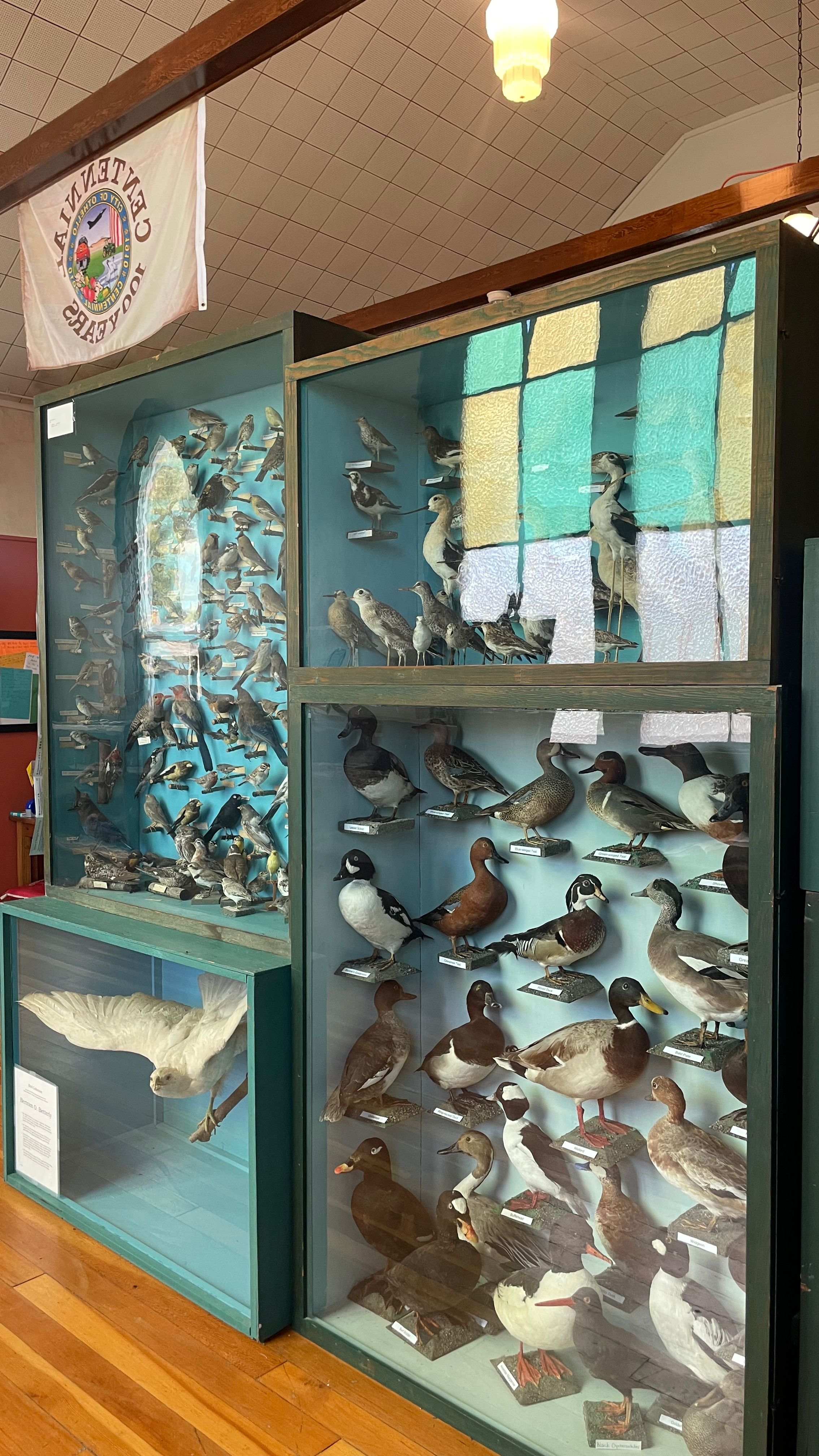
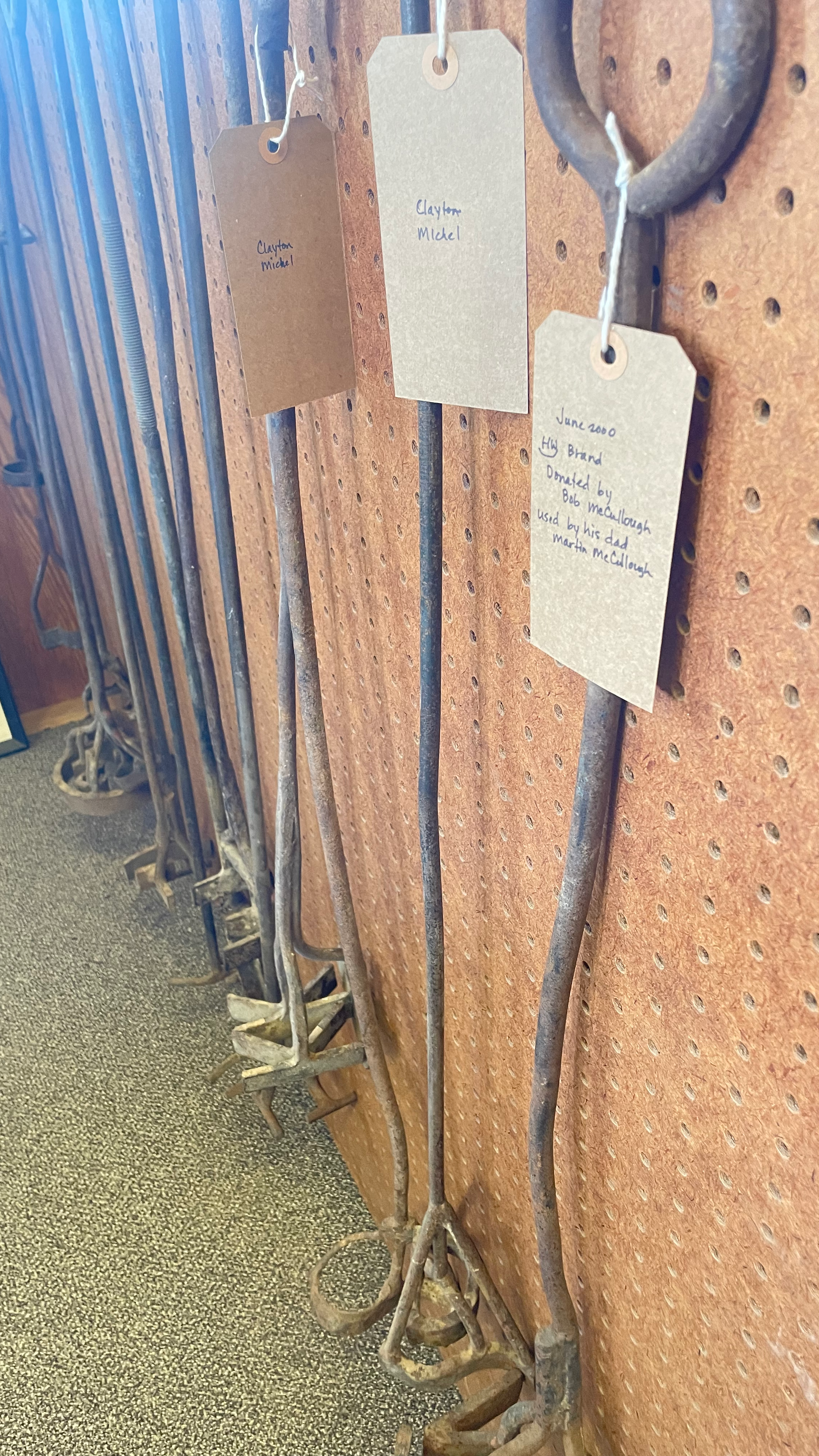
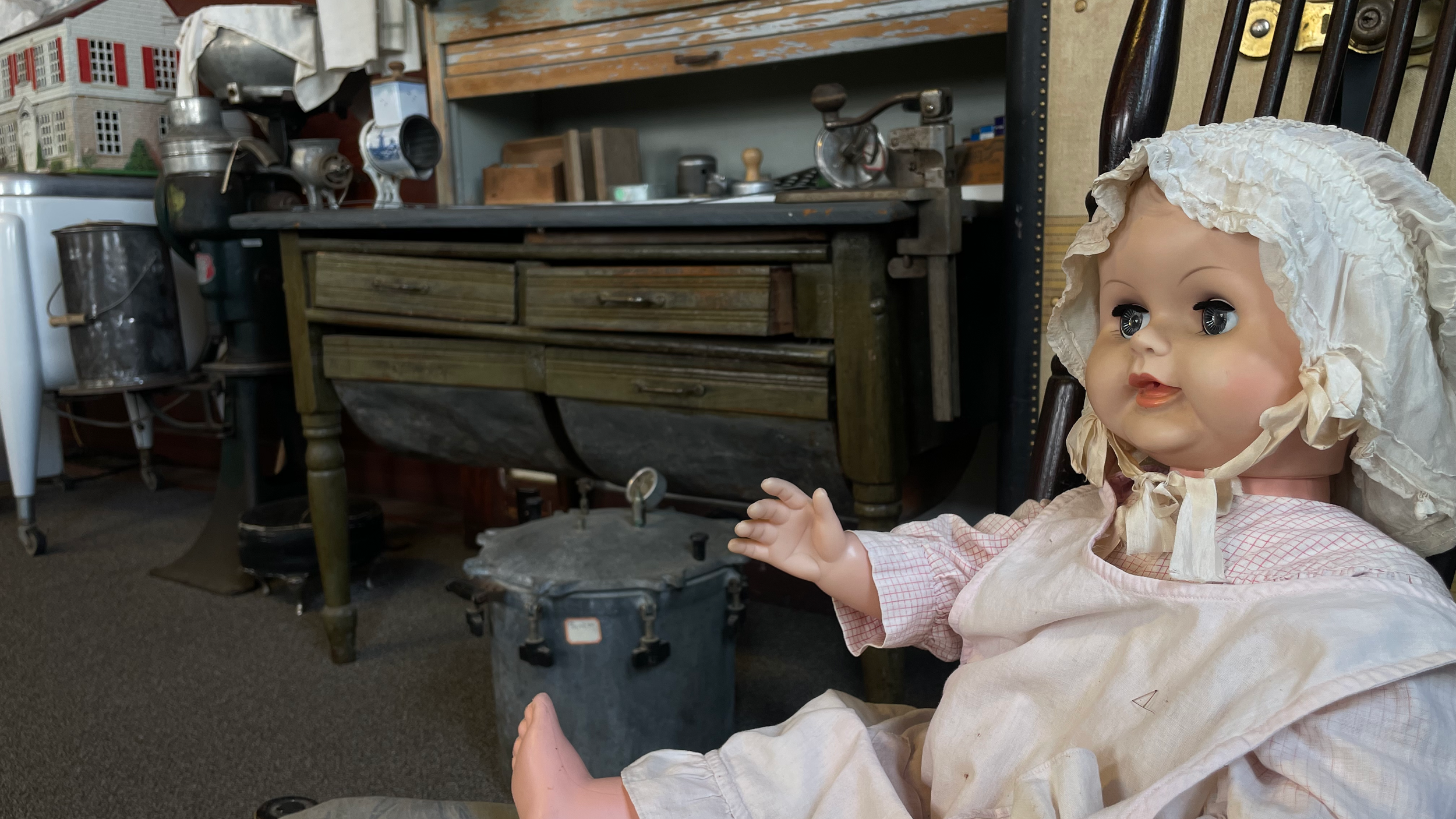
At the Othello Community Museum you’ll find: the Othello Outlook archives, rare antique books, bird exhibits, antique farming and branding equipment, information about the Milwaukee railroad and more.
Origins of Othello
Agriculture & Irrigation
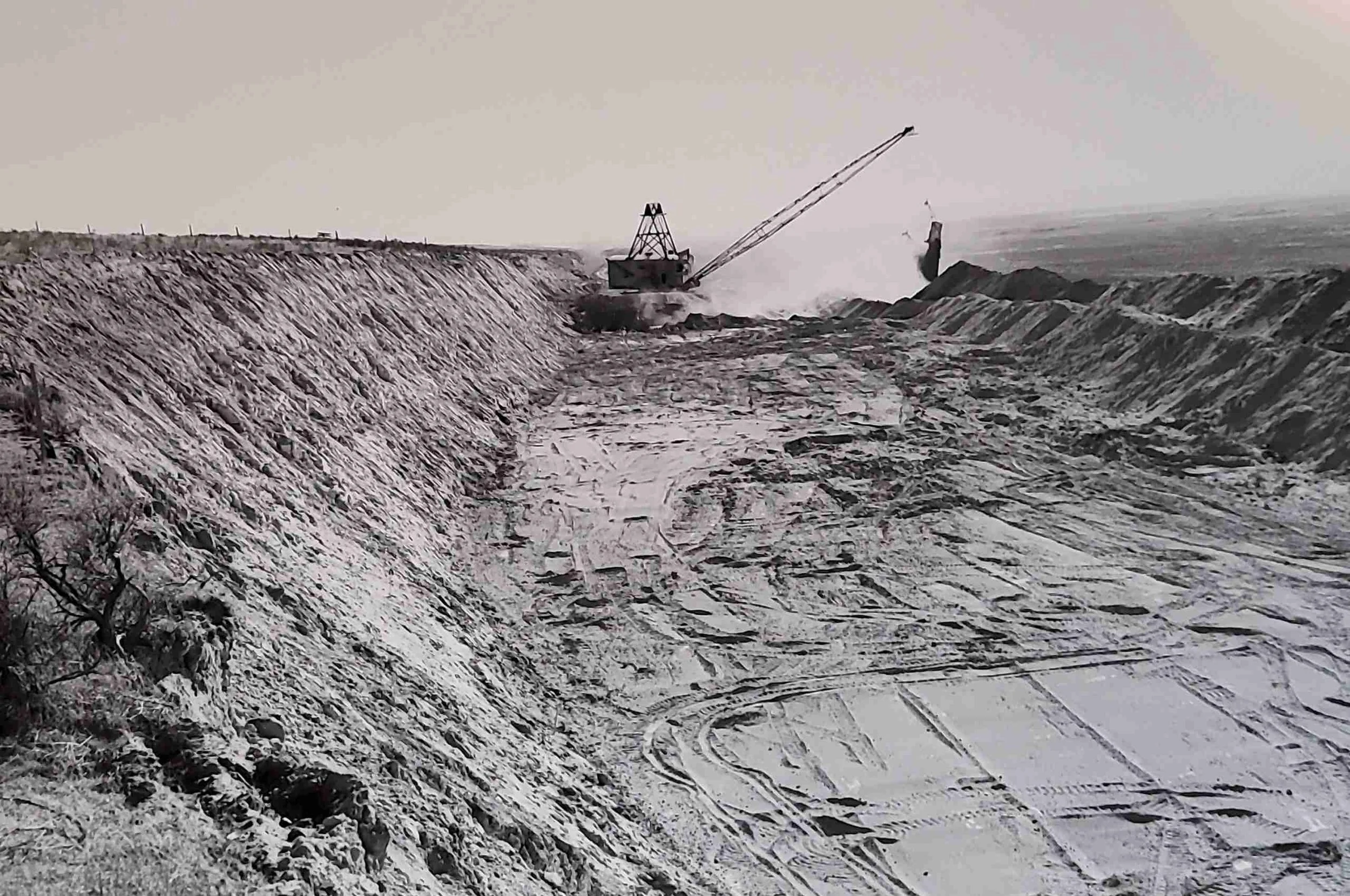
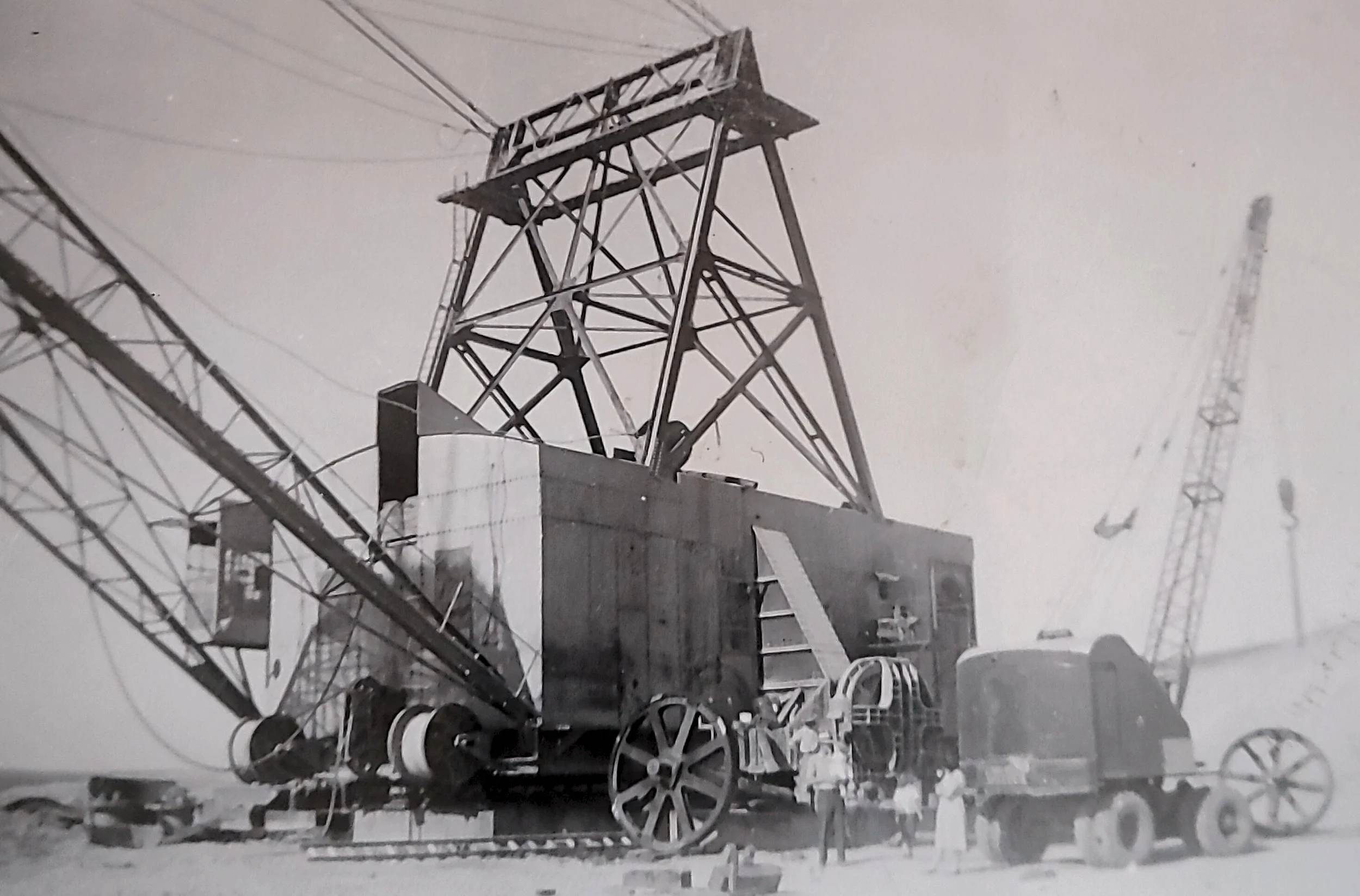
The Monighan was invented in 1904 as a dragline excavator. In 1913, the Monighan Machine Company of Chicago created the first walking mechanism for the dragline. It was used extensively in the Columbia Basin Project to dig the irrigation canal system during the 1940s and 1950s, including the Potholes Canal from O’Sullivan Dam to the Scootney Reservoir south of Othello. It was also used for coal stripping near Centralia. The Monighan used in Othello held 16 cubic yards for dirt, equal to 20 tons of earth. The bucket was six feet high, eight feet wide and 10 foot long. The operator sat inside a cage. Oilers were constantly on duty and a welder was also on hand. The machine used 40 gallons of diesel per hour.
After the canal was completed, the Monighan was stored near Othello until it was dismantled and hauled away in 22 railroad boxcars. Following the creation of the canal system, the state saw the probability of three state parks near Othello. The sites tentatively picked were at Scootney Reservoir, Goose Lake and Long Lake. The reservoir was finally selected as the Othello State Park and still operates today.
Othello’s Firsts
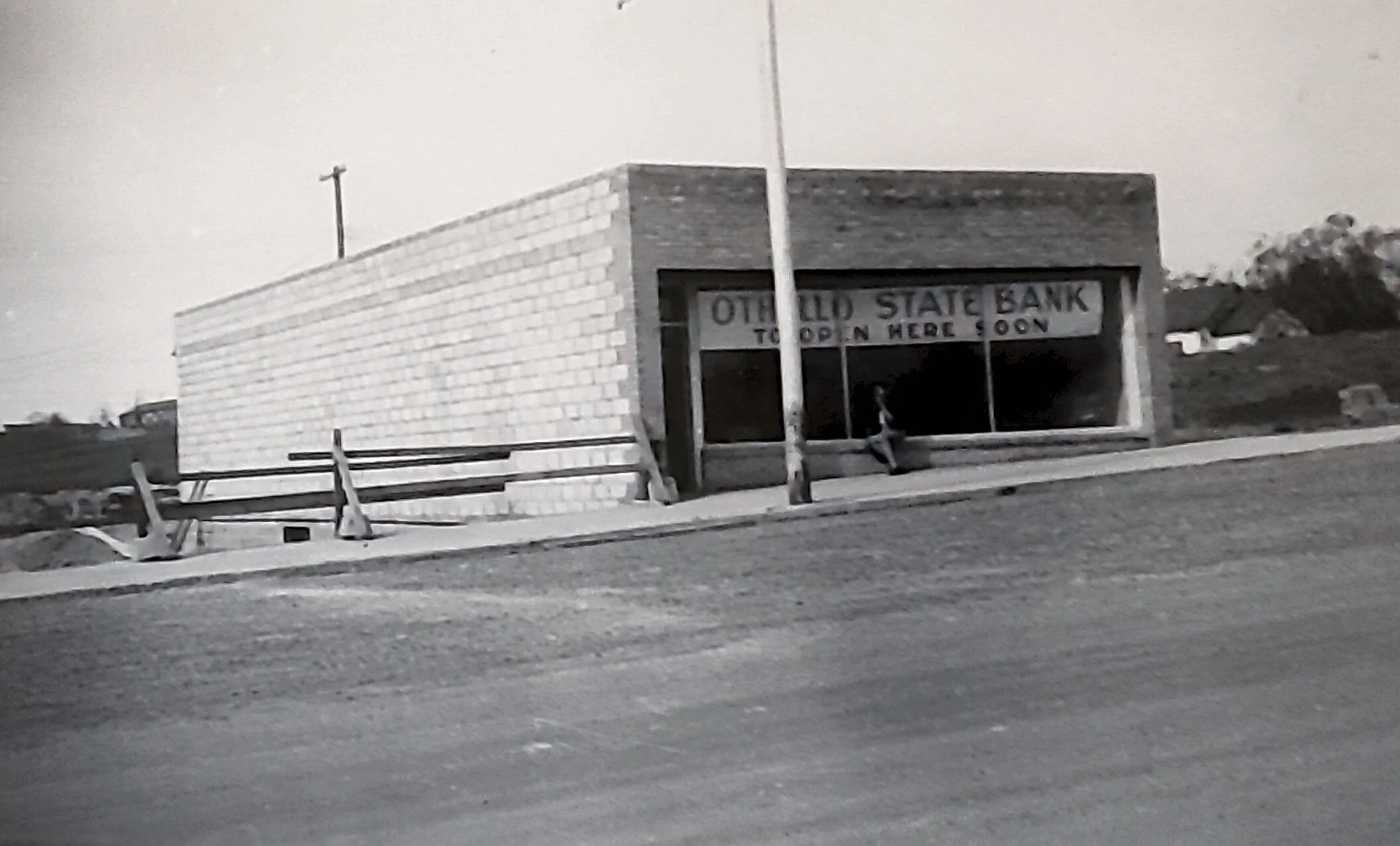
The Othello State Bank, located at First Avenue and Main Street, shortly before opening. It would become Peoples National Bank and eventually, the Othello Public Library.
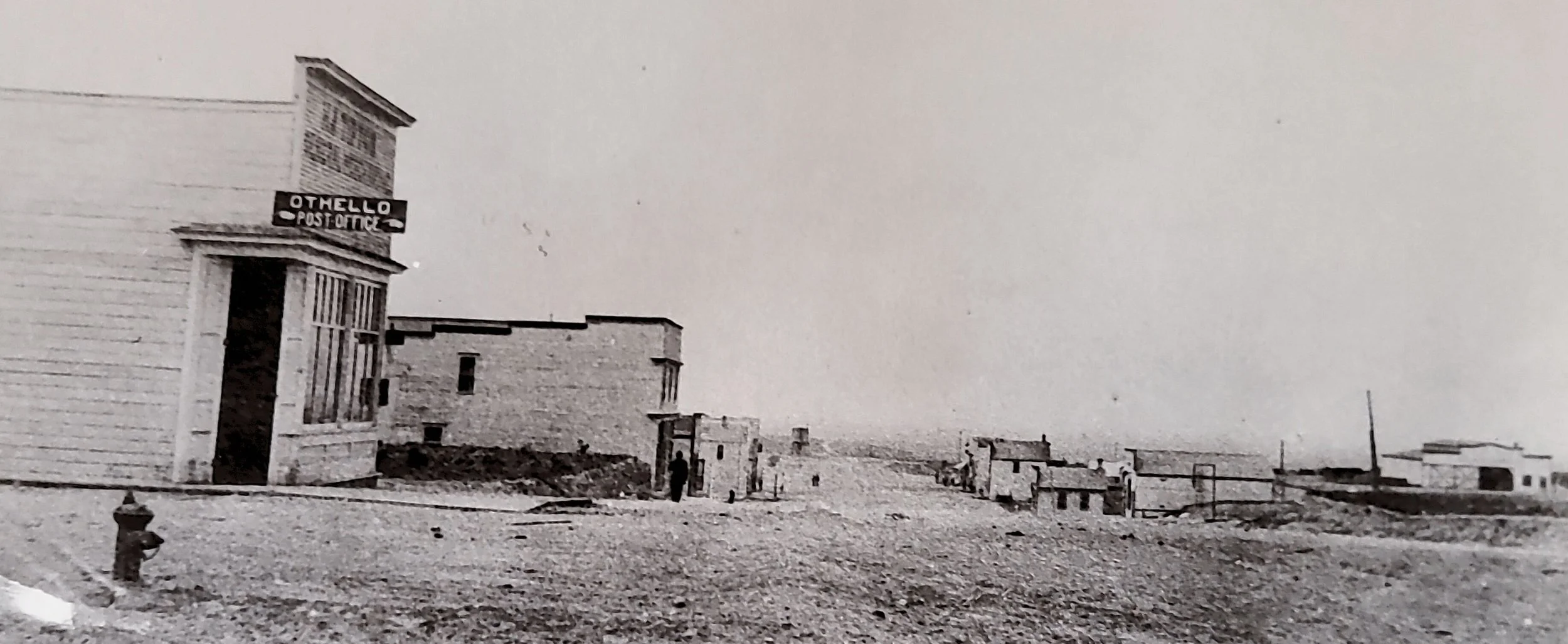
The original post office site was in the Tipton Store from December 1907 to March 1915 at Second Avenue and Main Street, the present site of Dewey’s Repair. The Hibbard Hotel can be seen to the right behind the store.
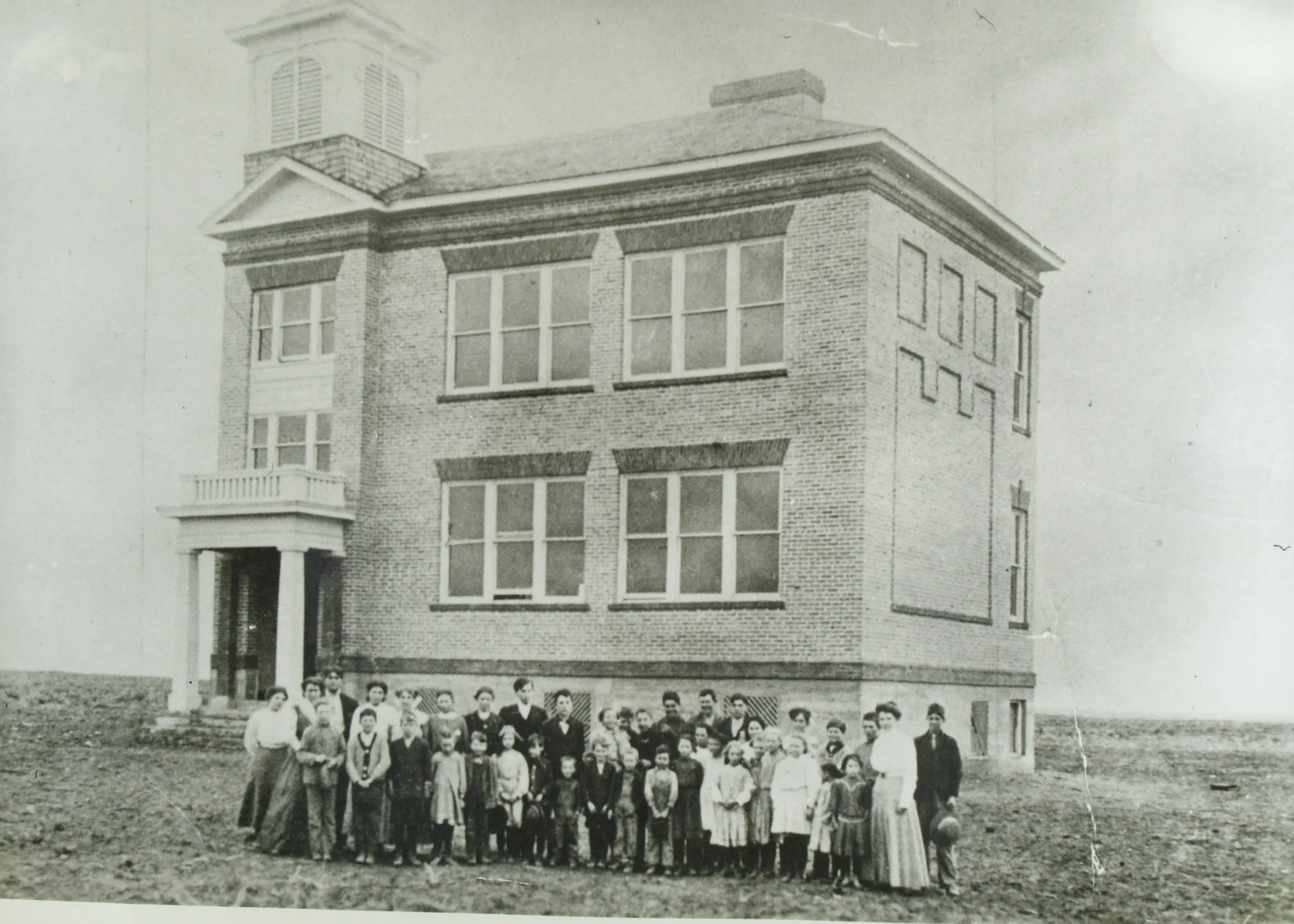
This is a picture of the Othello School, built in 1908. This brick building cost approximately $7,000. The original school was a frame building located near where the Cimmeron Motel is now. After the town was platted, the building was moved close to what is now the Othello High School football field and used while a new brick building was erected. The original frame building was moved to Pine Street and used as a dwelling. Anyone with information about the original building is encouraged to pass it on to us.
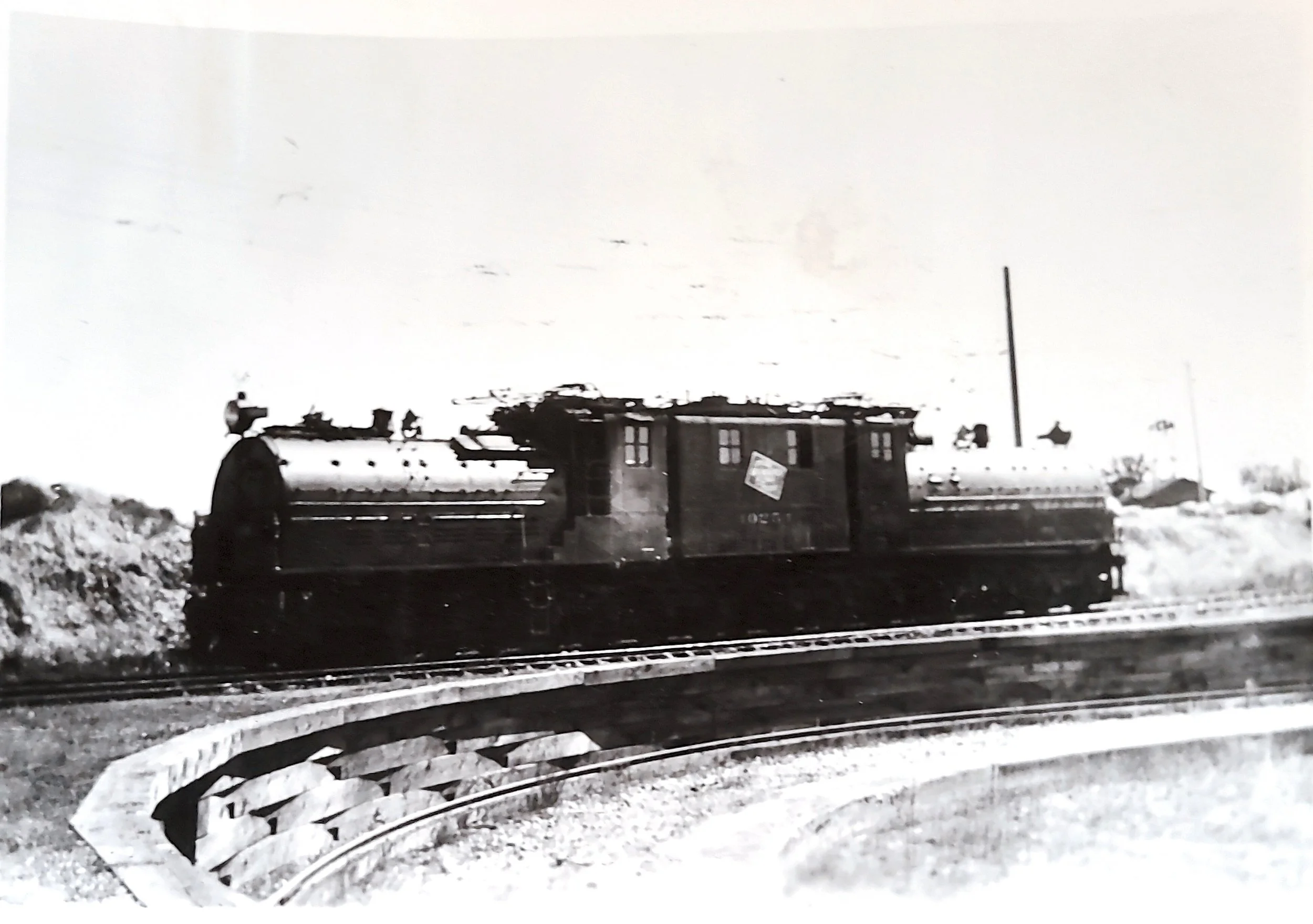
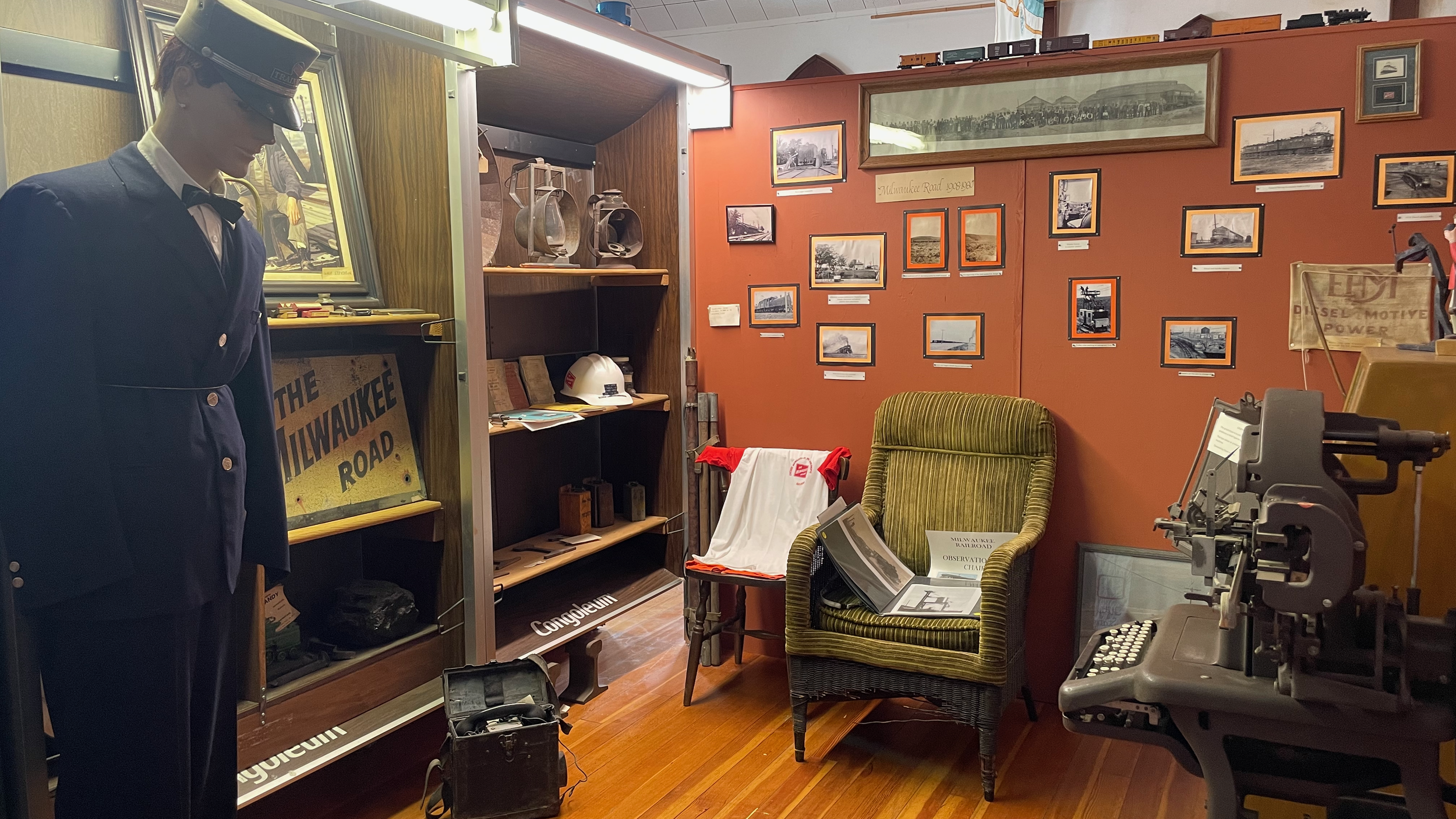
In 1907, the Milwaukee Land Company platted a townsite at a small settlement known as Othello and started building houses for workers and railroad yards. It also built a roundhouse, making the new town a hub for the Milwaukee railroad. As businesses sprang up, the Milwaukee dug a well for the trains and residents. The first train arrived in June 1909 and Othello was incorporated the following year. Othello became a terminal point for electric, steam and diesel locomotives. The wooden roundhouse burned in 1919 and was rebuilt with brick. The Milwaukee abandoned the railroad in 1980.
Natural History
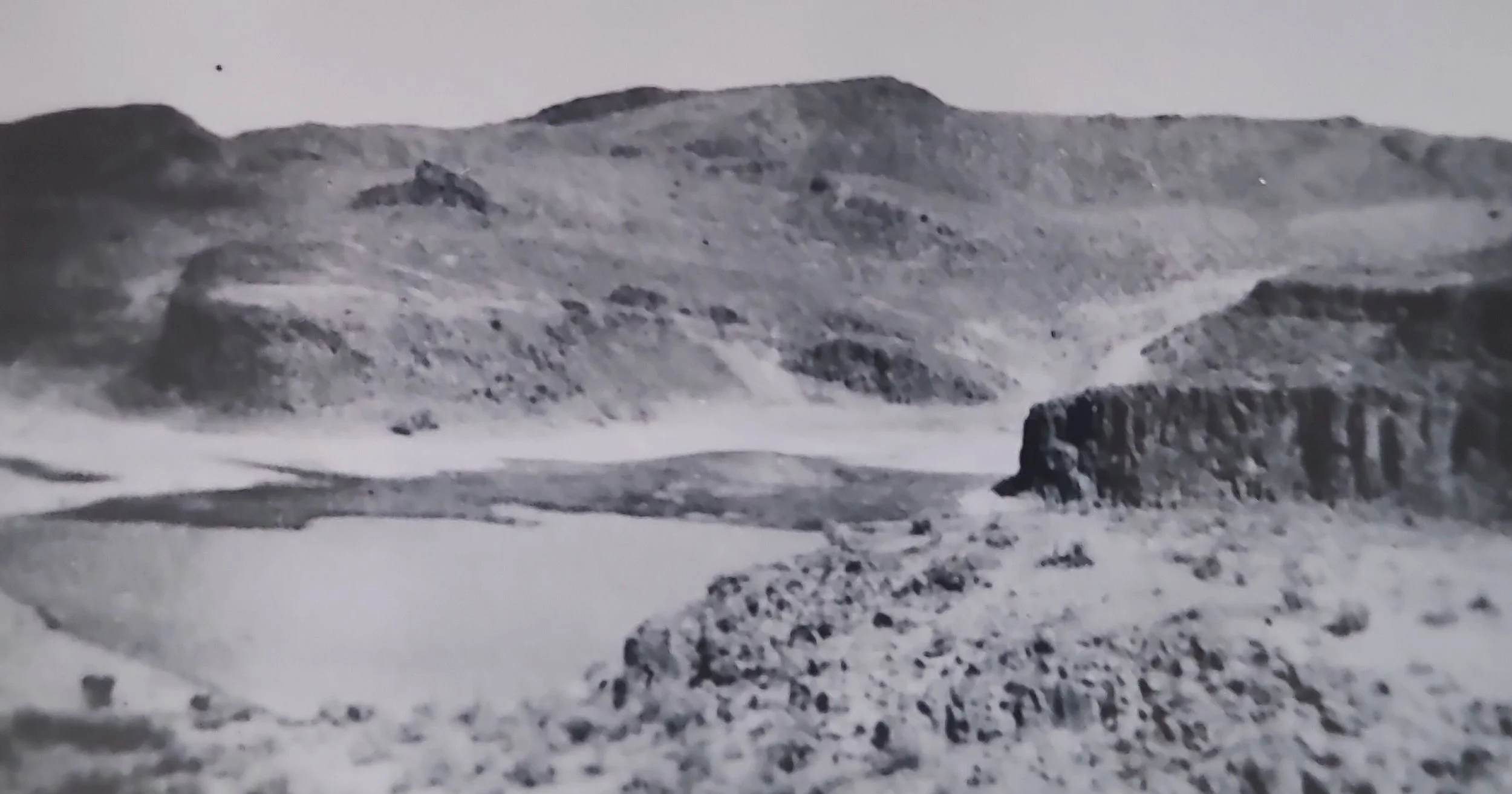
This photo was taken in 1908 and shows what today is the Scootney Reservoir south of Othello. Back then, the area was used only for rounding up wild cayuse horses. There were two small, seasonal bodies of water, in addition to a slow spring that gave the area its name (Skootney Springs). Later, churches held picnics and baptisms there. Eventually, it was used for raising irrigated produce on small plots. Today, it is a lake filled with canal runoff.
Military
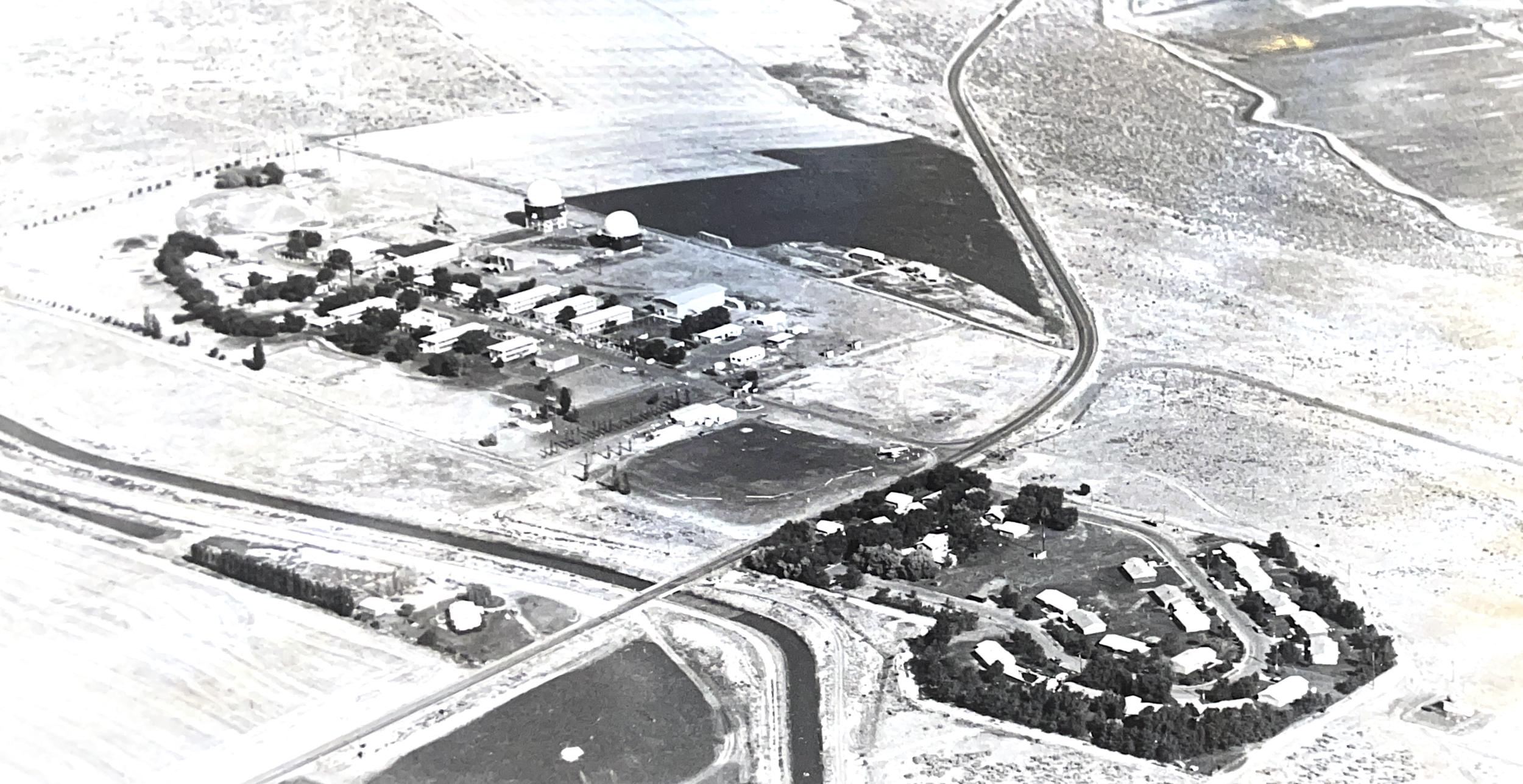
At one time, Othello hosted a thriving Air Force base. It was part of the Continental Air Defense Command and guarded our skies from our enemies. This included jets and submarines out at sea. If we would come under attack, the CONAD sites would pick up the activity on radar and report to the command center, located in Denver, Colorado.
CONAD was a joint command made up of all the branches of the service – Army, Navy, Air Force and Marine Corps – and answered to the Joint Chiefs of Staff. There were 100 or more radar stations, manned by 10,000 airmen, utilizing satellites and radar. Othello was part of that command and the airmen took part in many town activities.
Although the Radomes have long since been removed, there are still remnants of the air base that can be seen atop Radar Hill outside of town, approximately six miles south. The area is blocked off and now privately owned, but buildings can still be seen inside the gate. The houses across the road were family quarters.